Royal Legacy of Sapphires: Unveiling Their Historic Allure
Sapphires, with their mesmerizing blue hues and rich history, have captured the hearts and imaginations of humans for centuries. These precious gemstones have been cherished as symbols of royalty, prosperity, and celestial beauty.
Sapphires belong to the corundum mineral family and are characterized by their distinctive blue colour, attributed to the presence of iron and titanium impurities. While blue sapphires are the most renowned, they can be found in an impressive spectrum of colours, from pink, orange, yellow, green, purple, to violet. The term “sapphire” is typically associated with the blue variety, while those of other colours are termed “fancy coloured sapphires.” Notably, red corundum is recognized as ruby.
Sourced mostly in Kashmir, Myanmar and Cambodia, the most highly prized blue sapphires display a velvety blue to violet-blue hue, falling within medium to medium-dark tones, and command the highest prices per carat. Lesser-valued blue sapphires may exhibit greyish undertones, be too light, or too dark. Sapphires also stand out for their exceptional durability, ranking at 9 on the Mohs scale of mineral hardness, second only to diamonds. This quality makes them a preferred choice for jewellery that can endure daily wear and tear.
Sapphires, as the birthstone for September, have carried profound symbolism through the ages, representing qualities like sincerity, truth, faithfulness, and nobility. They have graced the attire of both royalty and clergy for centuries, with ancient Greeks and Romans believing in their protective powers. The Persians held a captivating belief that the Earth rested upon a colossal sapphire, creating the blue sky we behold. This rich history and deep symbolism have further strengthened the bond between sapphires and royalty, making them not only a symbol of regal power but also of the enduring beauty and significance associated with royal heritage. Join us as we delve into the world where sapphires and royalty intersect, creating moments of sheer brilliance.
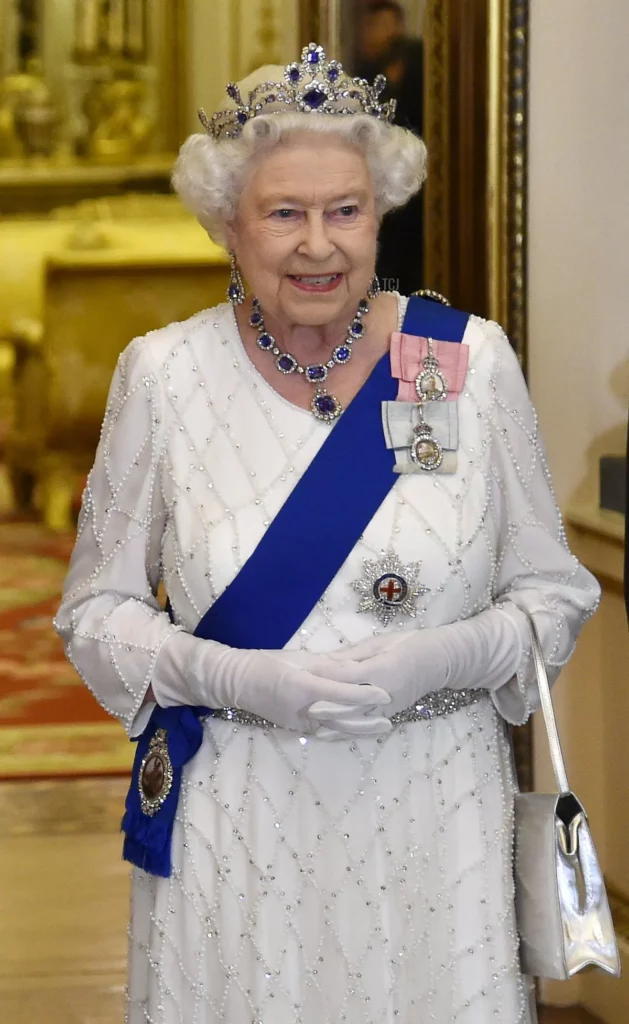
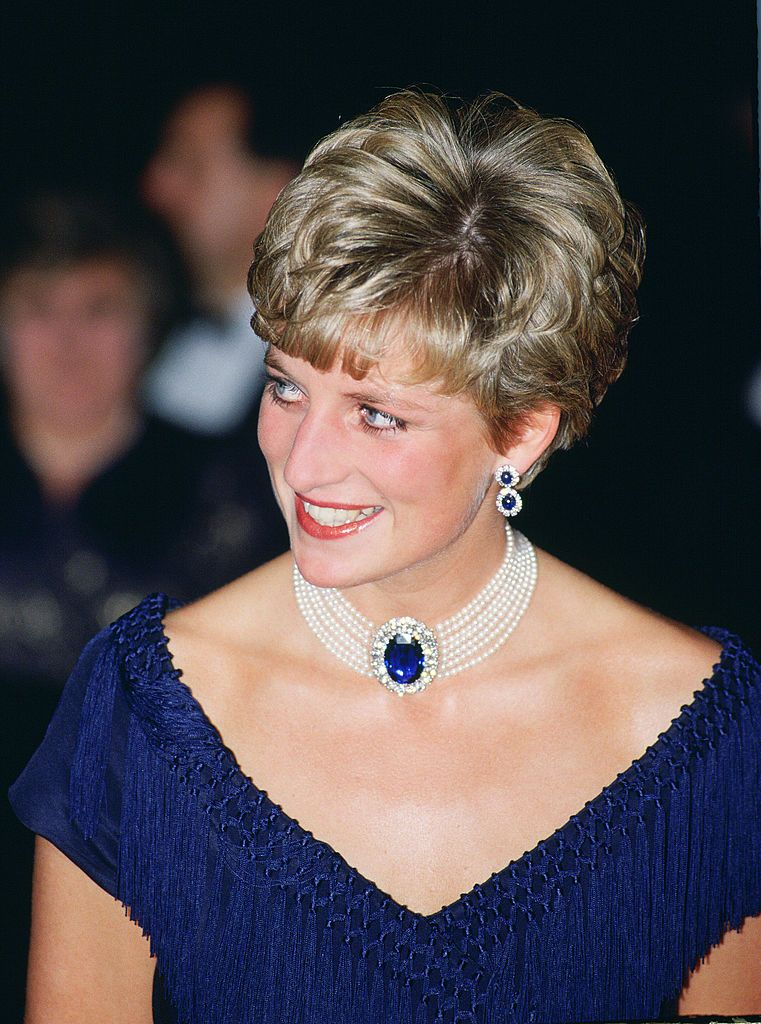
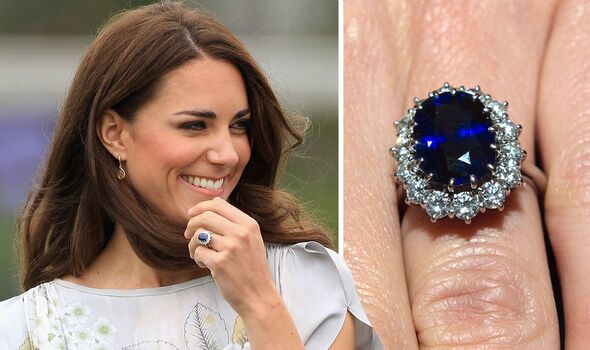
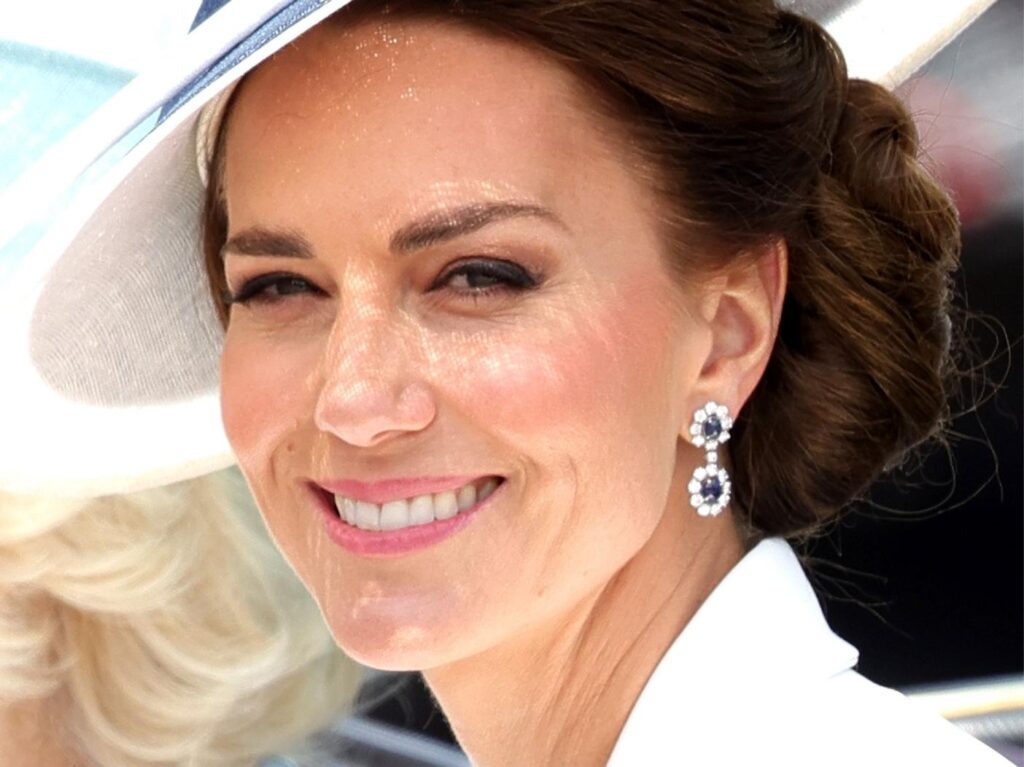
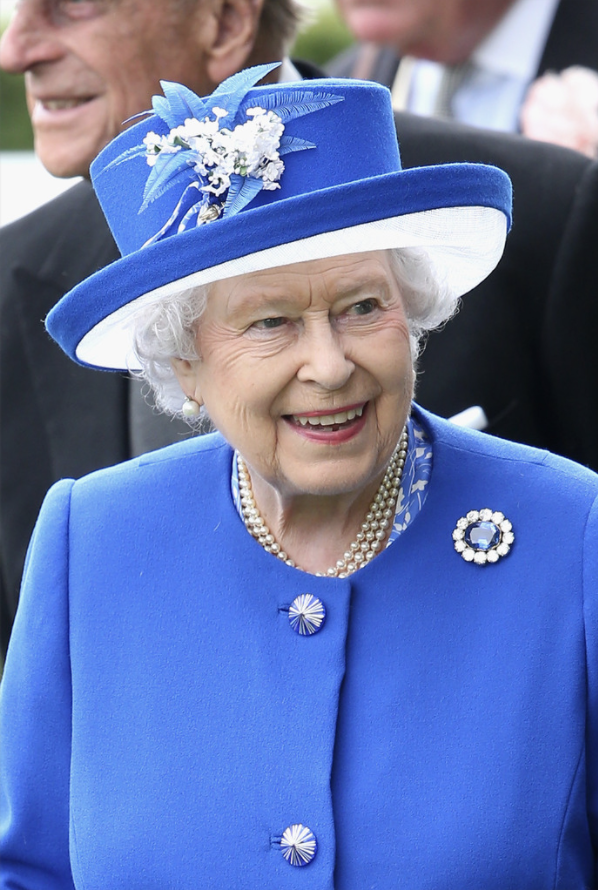
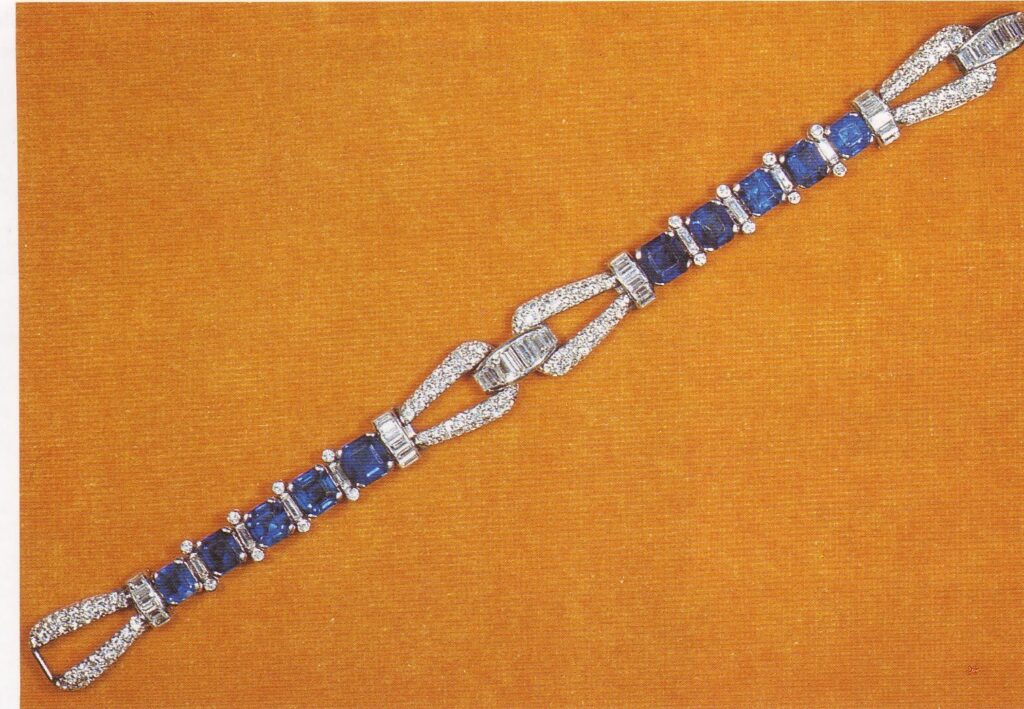
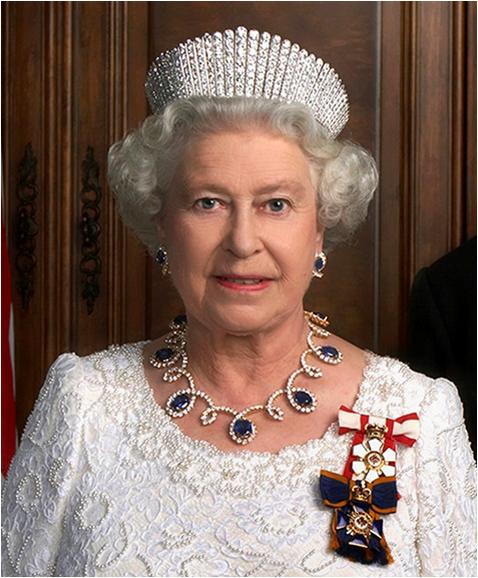
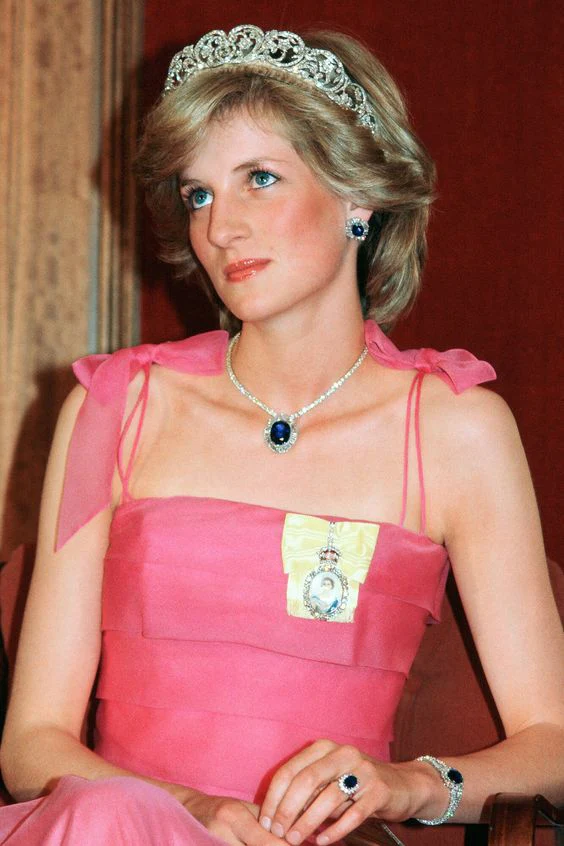
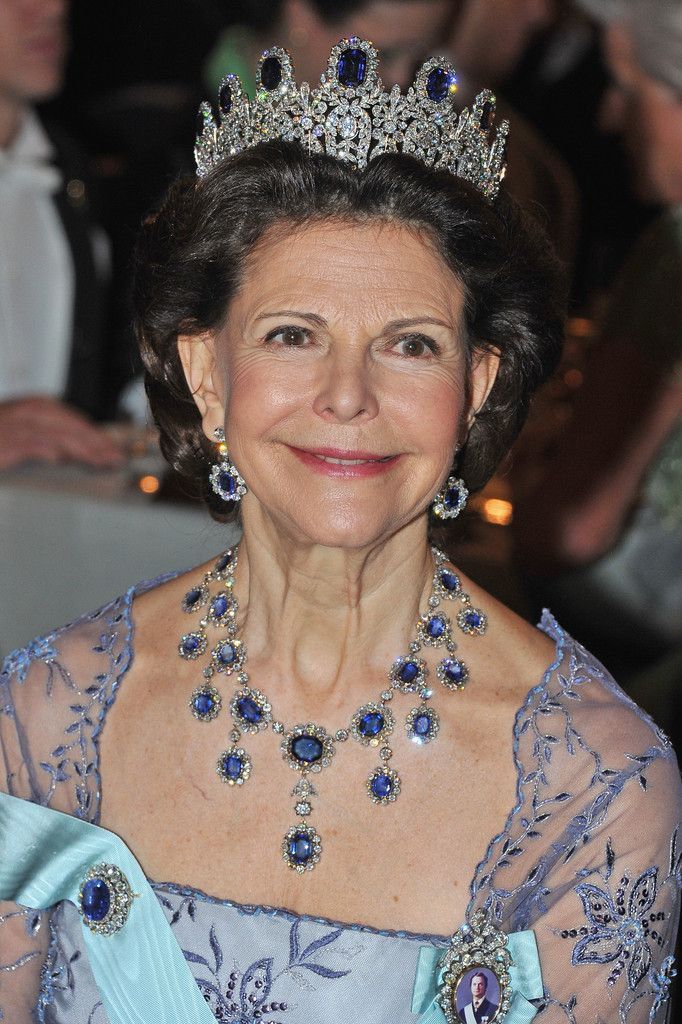
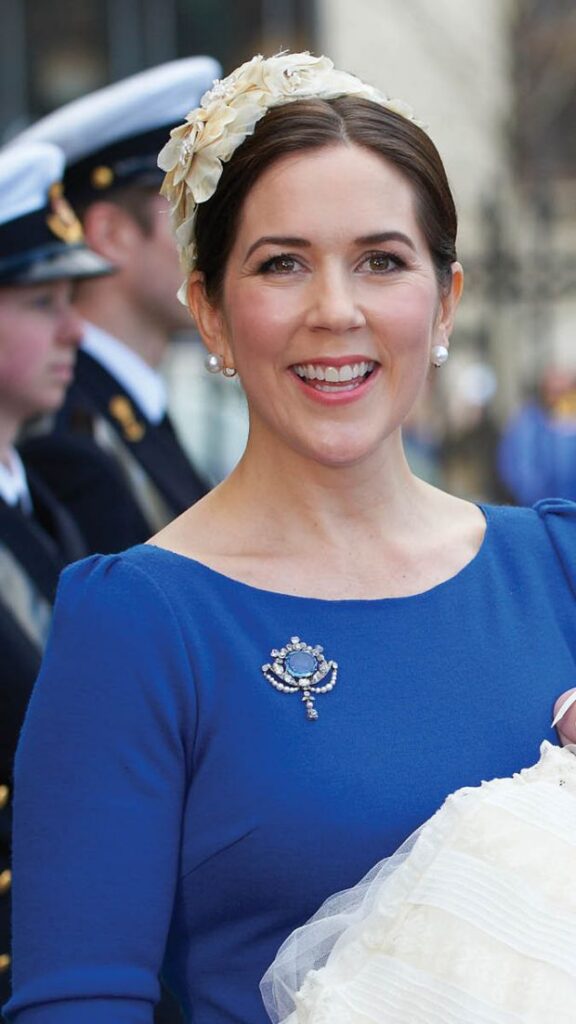
The George VI Victorian Suite, initially gifted by King George VI to Princess Elizabeth in 1947, is a significant collection of jewellery. Originally created in 1850, it consists of a necklace with oblong sapphires and square sapphire earrings. Queen Elizabeth II modified the necklace in 1952 by removing its largest sapphire, which she transformed into a pendant in 1959. In 1963, the suite was expanded with the addition of a sapphire tiara and bracelet to complement the original pieces.The Queen Mother gifted her granddaughter-in-law, the Princess of Wales, a large oval sapphire and diamond brooch as a wedding present. While the Princess initially wore the brooch as a standalone piece, she later had it transformed into a clasp for a magnificent seven-strand pearl choker. This iconic choker became famous when she wore it while dancing with John Travolta at the White House in 1985.A 12-carat blue gem, encircled by diamonds, graces the sapphire engagement ring that was initially worn by Princess Diana and later passed down by her son to Kate Middleton, now the Duchess of Cambridge.In March 2022, Kate Middleton made a significant appearance by unveiling a particularly unique pair of earrings on the inaugural day of the Platinum Jubilee, marking Queen Elizabeth’s remarkable 70-year reign on the British throne.The Prince Albert sapphire brooch was a heartfelt gift from Prince Albert of Saxe-Coburg-Gotha to Queen Victoria on the eve of their wedding in 1840. A stunning brooch adorned with a sizable, radiant blue sapphire at its center, estimated to be around 20-30 carats, encircled by twelve diamonds. Following Queen Elizabeth’s accession to the throne in 1952, she inherited this cherished brooch, continuing its royal legacy.King George VI had a penchant for sapphires, gifting his daughters sapphire jewellery. A notable piece in Queen Elizabeth’s collection is a sapphire and diamond bracelet received on her 18th birthday in 1944. Designed by Cartier, it features square sapphires and diamonds and was worn by the Queen at Princess Anne’s christening in 1950.During a Middle East tour in 1979, Sheikh Rashid of Dubai presented the Queen with a necklace, earrings, and a ring featuring sapphires and diamond-set loops. The Queen, known for her jewellery modifications, made adjustments to the pieces and selected it for an official portrait for Canada.Asprey’s exquisite jewellery suite, including a Burmese sapphire pendant, earrings, ring, bracelet, and wristwatch, was frequently worn by Princess Diana at royal events. After Diana’s passing, Kate Middleton inherited these pieces and adapted them to her own style, redesigning the earrings, ring, and watch. She even transformed the choker into a distinctive headband, paying homage to her late mother-in-law.This remarkable jewellery set was originally crafted as a wedding present for Princess Augusta of Bavaria when she wedded Eugene De Beauharnais, who happened to be Napoleon’s stepson, in 1806. Today, it is renowned as Queen Silvia of Sweden’s distinctive jewellery ensemble.This remarkable brooch was gifted in 1879 to Princess Louise Margaret of Prussia upon her marriage to The Duke of Connaught. It eventually found its way to Denmark when Princess Ingrid wed Crown Prince Frederik (IX) in 1935 and is now a prominent piece in the Danish Crown Jewels. Featuring a large oval sapphire, an assortment of distinctively shaped diamonds, and elegant pearl swags, it is a noteworthy symbol of Danish royalty.
There exists a multitude of additional instances where royalty has adorned themselves with exquisite blue sapphires.
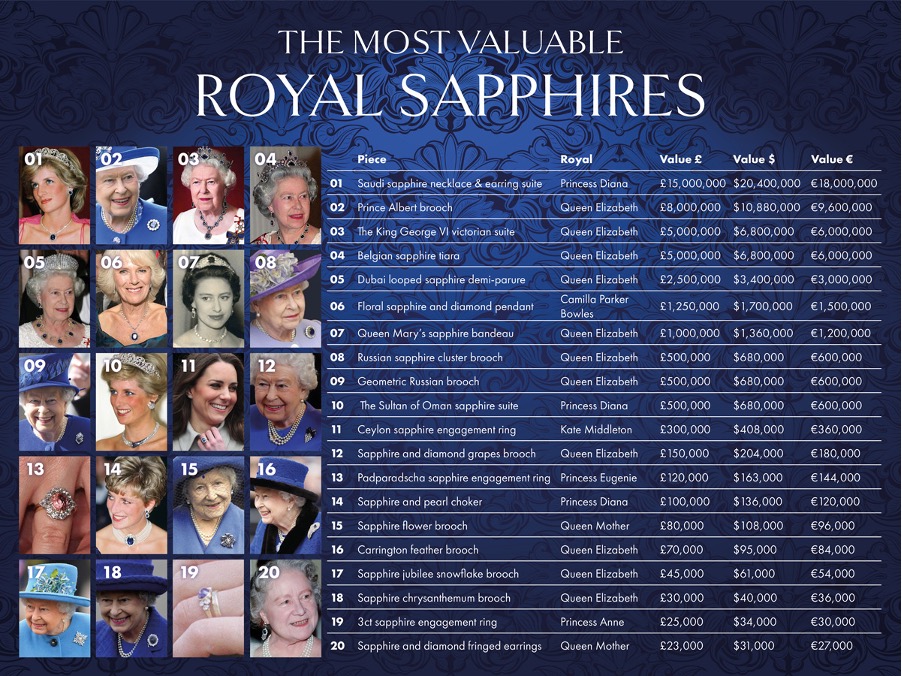
The Most Valuable Royal Sapphires. https://crisscut.stevenstone.co.uk/royals/the-royal-familys-most-valuable-sapphires/.