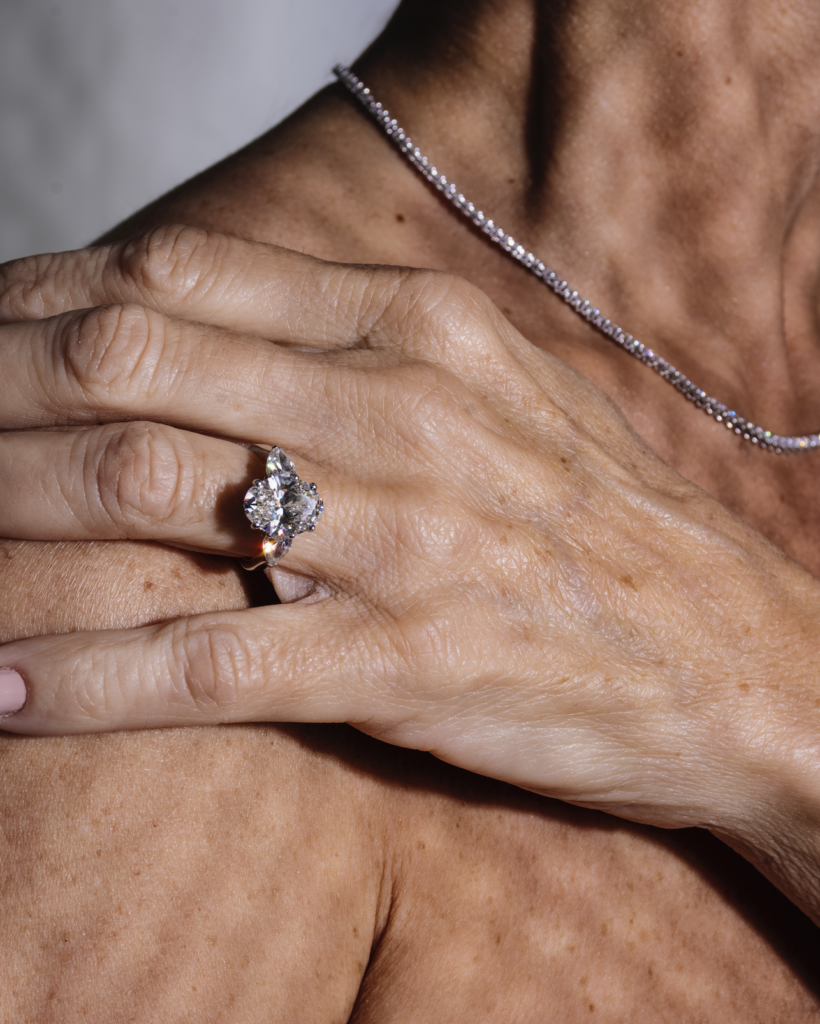
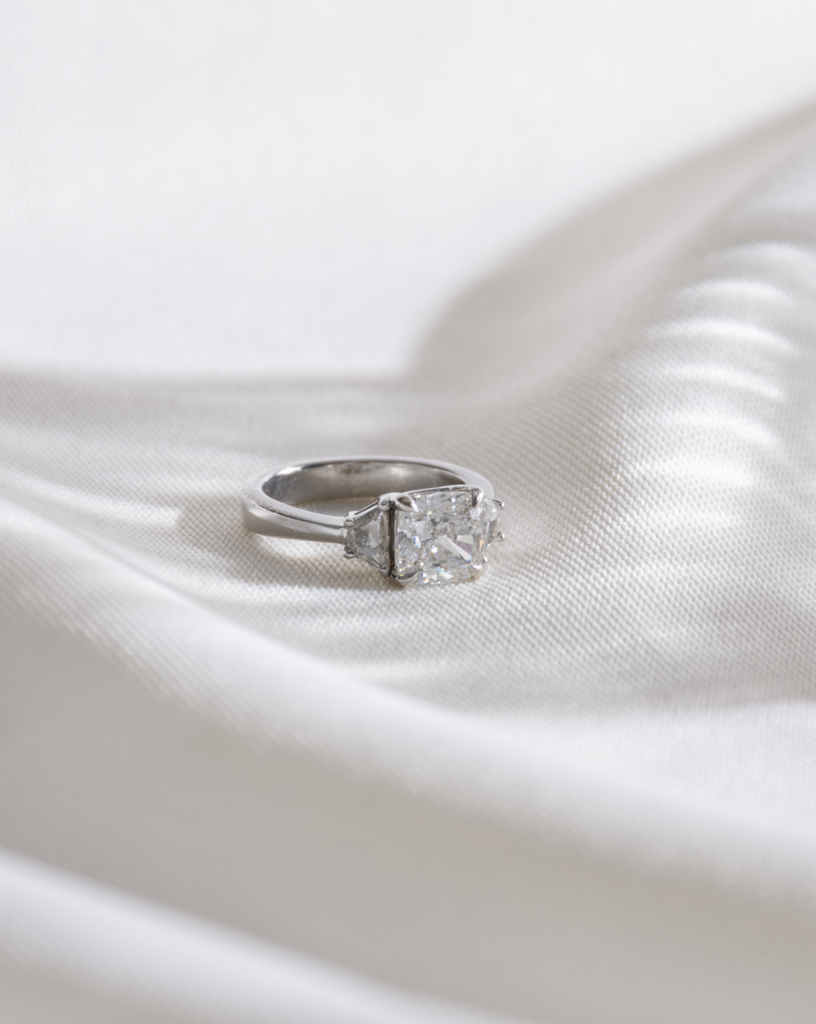
In the 1940s, Robert M. Shipley, the founder of GIA, coined the term 4Cs to help his students remember the four factors that characterise a faceted diamond: Colour, Clarity, Cut and Carat weight. The concept was simple, but revolutionary.
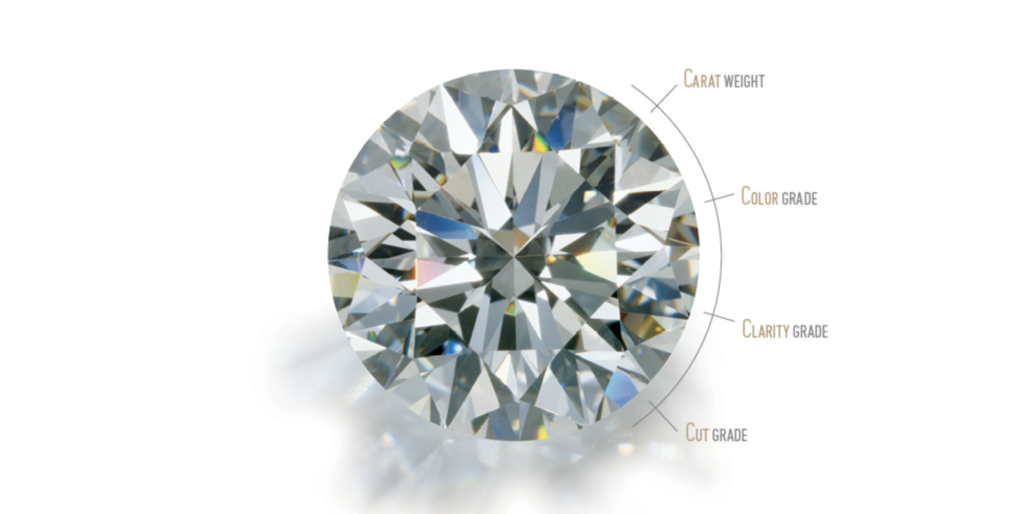
It’s important to consider the shape of the diamond or gemstone when evaluating the importance of each of the 4 Cs, as each C may have a different level of importance depending on the shape of the stone.
They are used to evaluate the quality and value of a diamond or other precious gemstones.
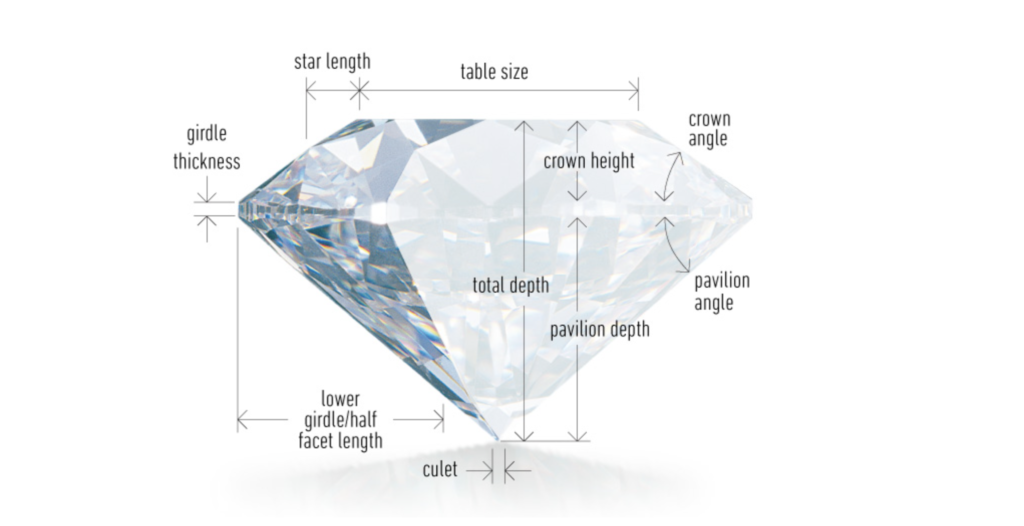
Cut: The cut of a diamond refers to its proportions, symmetry, and polish. A well-cut diamond will reflect light beautifully and appear more brilliant and sparkly. A poorly cut diamond will appear dull and lifeless.
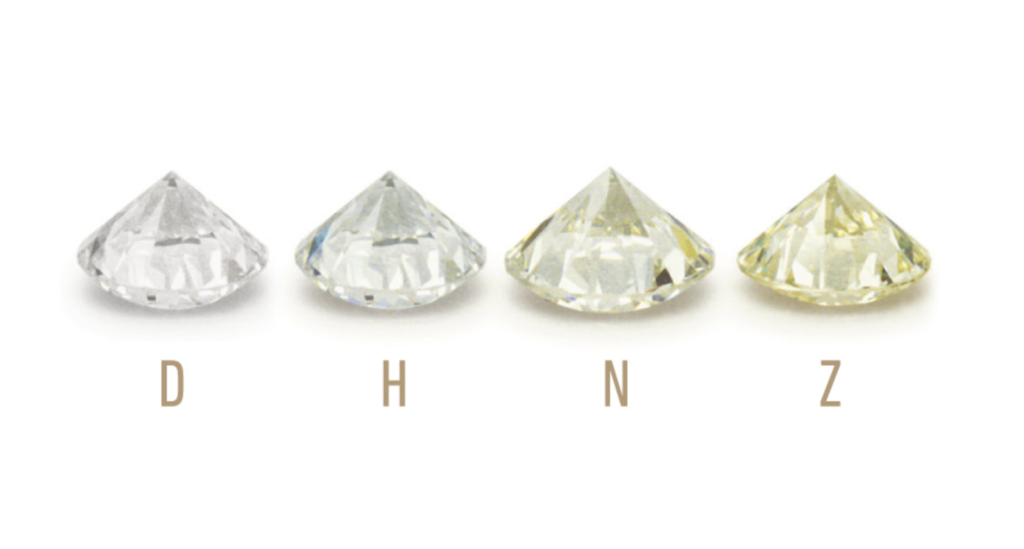
Colour: The colour of a diamond refers to the presence or absence of colour. The most valuable diamonds are colourless or nearly colourless, while diamonds with a yellow or brown tint are less valuable.
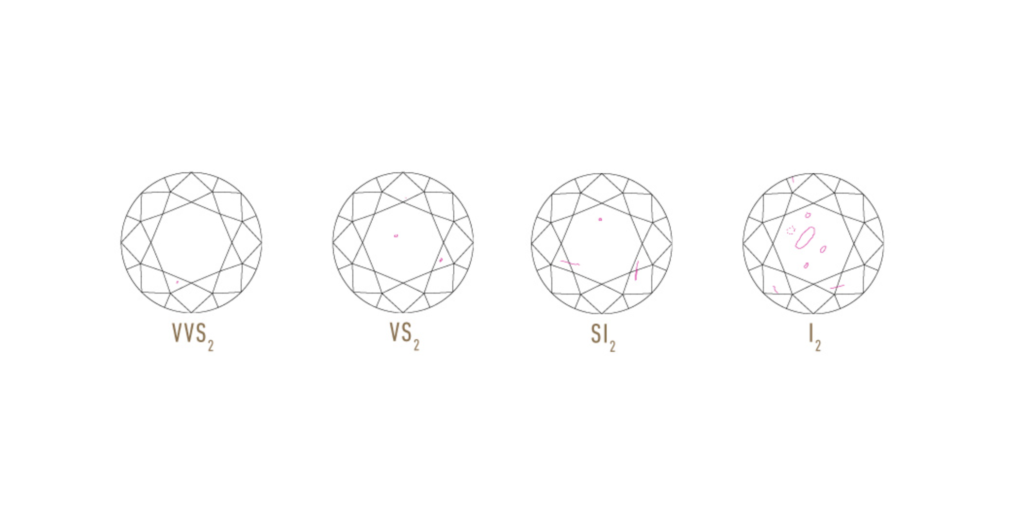
Clarity: The clarity of a diamond refers to the presence or absence of inclusions and blemishes. Inclusions are internal flaws, while blemishes are external flaws. A diamond with fewer inclusions and blemishes is more valuable.
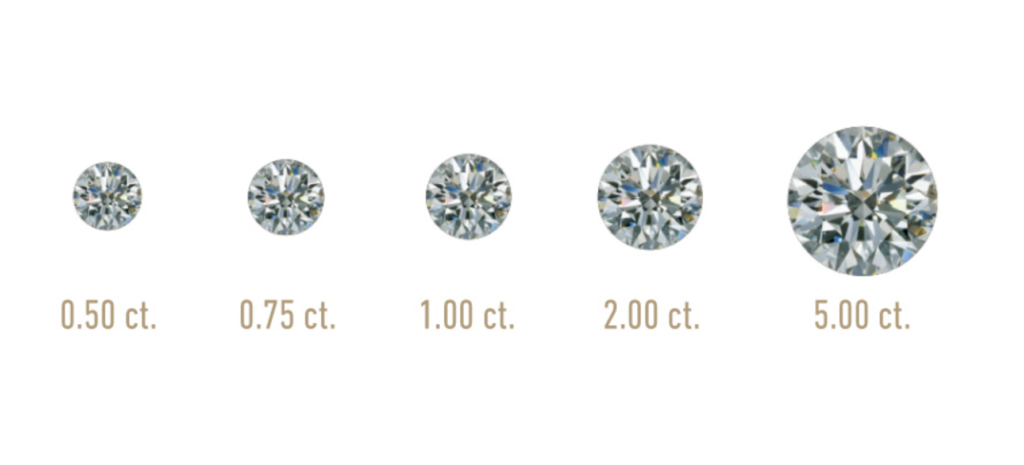
Carat Weight: The carat weight of a diamond refers to its weight. One carat is equal to 0.2 grams. Generally, the larger the diamond, the more valuable it is.
Okay, so you know how trees come in all shapes and sizes? Well, diamonds and gemstones are the same way! And just like some trees look better trimmed, certain diamond and gemstone shapes will look better with certain 4 Cs.
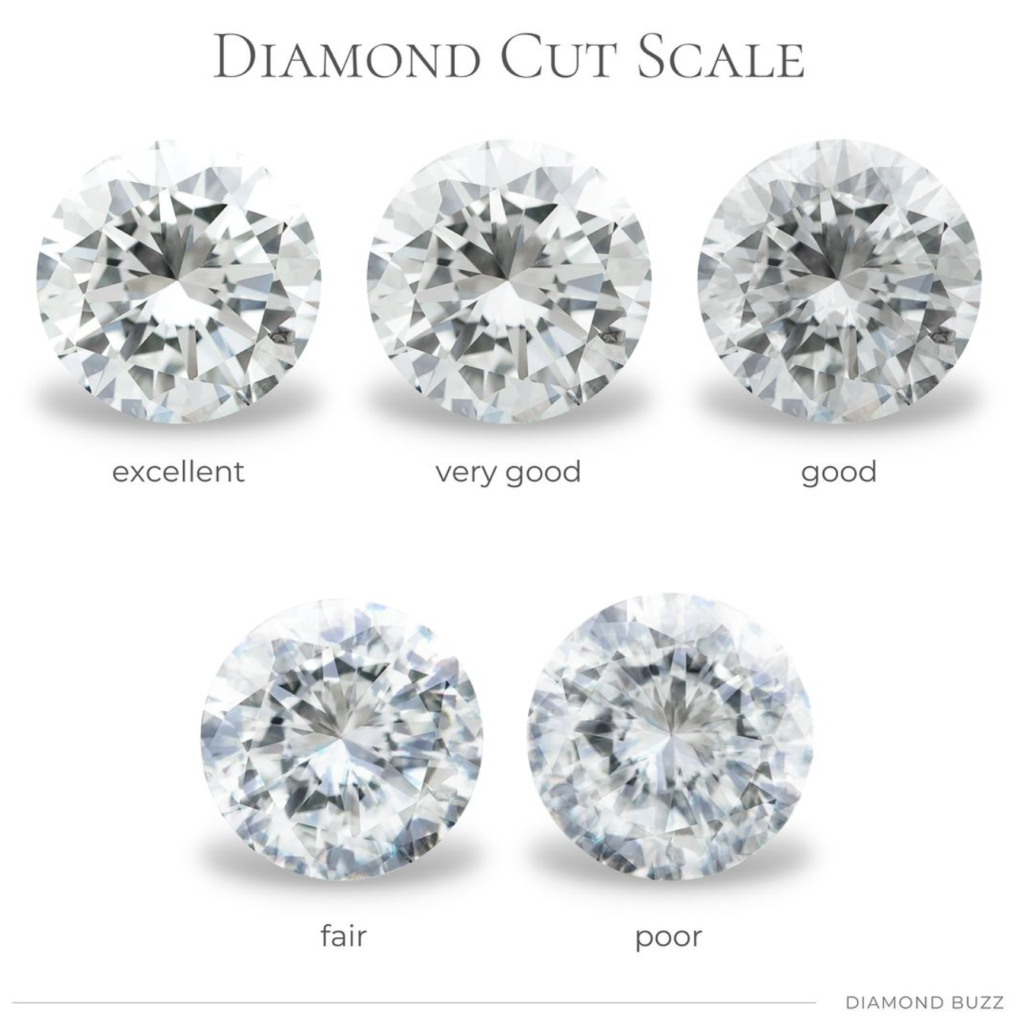
Let’s say you’re looking at a round diamond – the Cut is super important because it affects how sparkly and dazzling it looks. But, if you’re checking out an emerald-cut diamond, the Clarity is more important because this shape shows off any little imperfections.
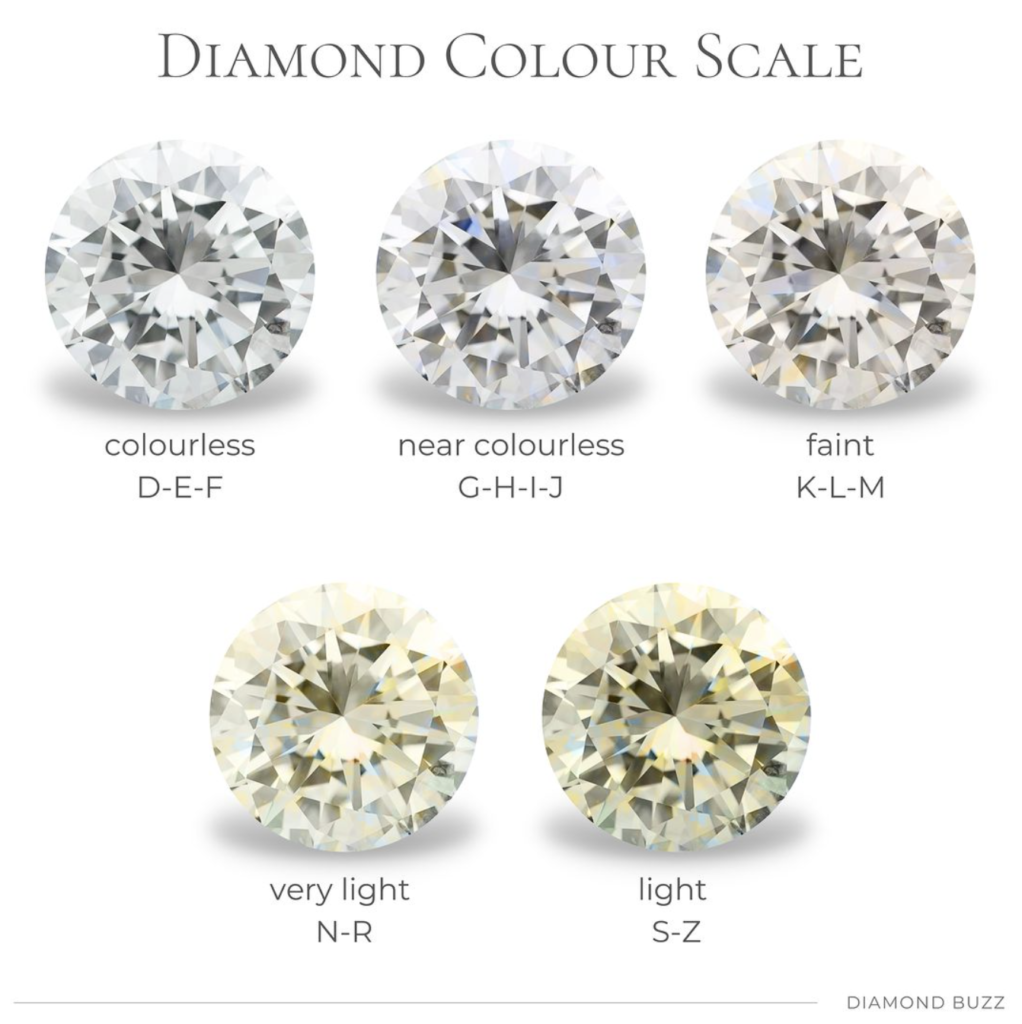
And, just like how some flowers look great in bold colours while others look better in pastels, the Colour of a gemstone can be more or less important depending on the shape. For example, if you’re looking at a sapphire with a deeper, richer blue colour, it will be more valuable than a paler, less intense blue sapphire.
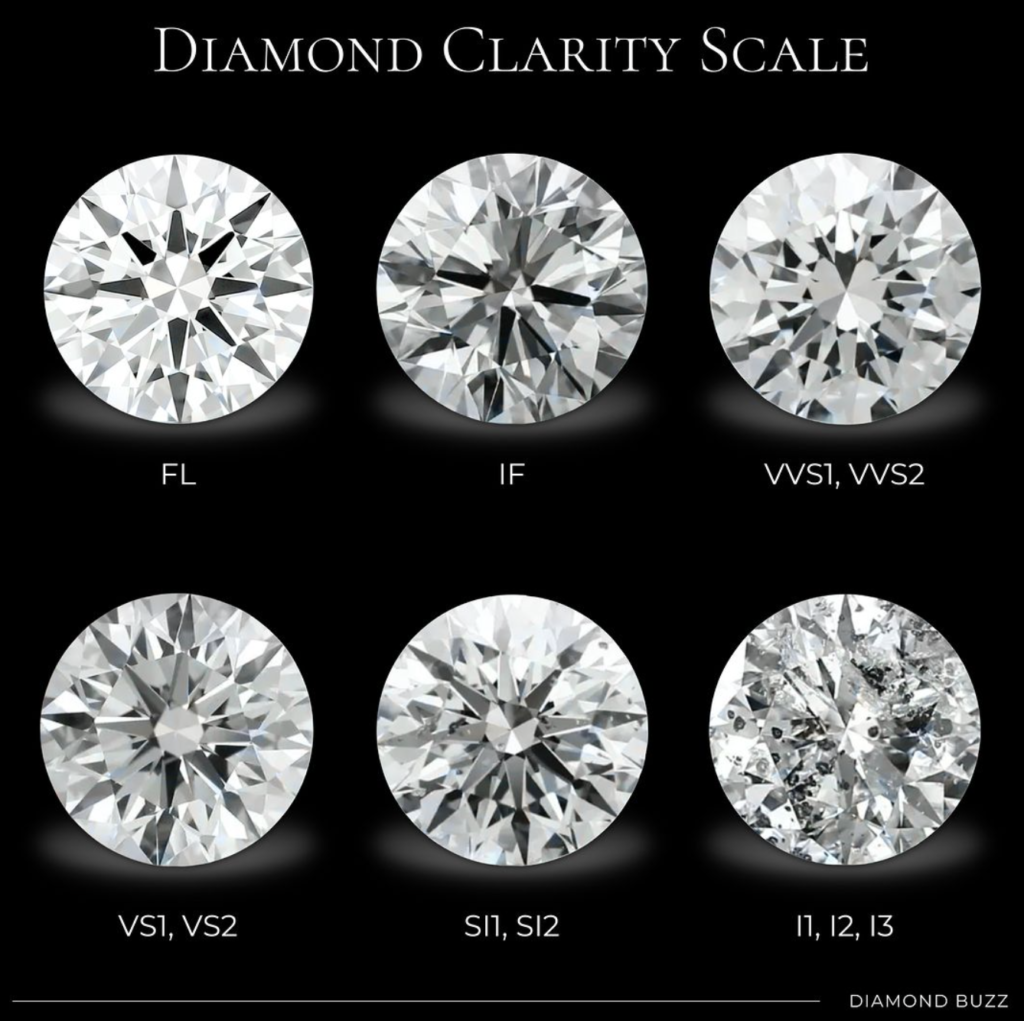
When it comes to diamonds, let’s break free from the colour obsession and dive into the world of delightful tints! For example, some diamonds sport a charming hint of colour and clarity, which is actually more affordable, but hold on tight because here’s the secret: you won’t even notice that tiny yellow sparkle! These diamonds shine like crazy, making them the perfect choice when you want high quality without breaking the bank. So, let’s ditch the traditional rulebook and embrace the joy of exploring diamonds beyond the standard 4Cs. With LM Gems it’s time to uncover the hidden gems that sparkle their way into our hearts!
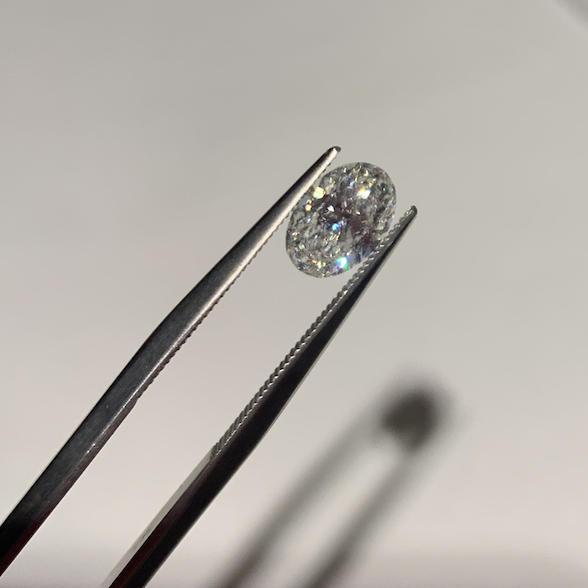
Finally, we have Carat Weight. Consider it like the presence of a shining star in the night sky – Just as a brighter star can catch our eye, a larger carat weight can make a diamond stand out. However, just like the subtle beauty of constellations that tells a story, a diamond’s carat weight is only one element that contributes to its overall charm and allure. A diamond with great Cut, Clarity, and Colour will look way more amazing than a big, cloudy diamond that doesn’t have those other Cs going for it.
When it comes to searching for that perfect gem, it’s important to remember that the traditional standards of the 4Cs may not always hold true. Sometimes, it’s the imperfections that make a piece truly perfect, adding character and charm that tell a story of their own and that complement the jewellery piece to your unique story.
So, let’s ditch the traditional rulebook and embrace the joy of exploring diamonds beyond the standard 4Cs. With LM Gems it’s time to uncover the hidden gems that sparkle their way into our hearts!